
Vici.org
Il n'y a pas d'images. Télécharger une image.

Les environs:

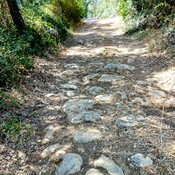
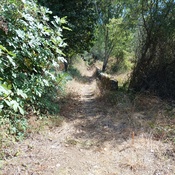
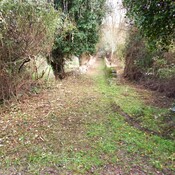
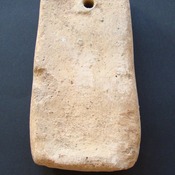
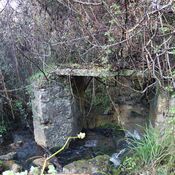
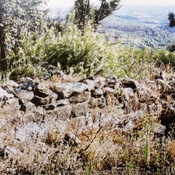
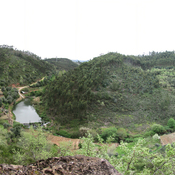
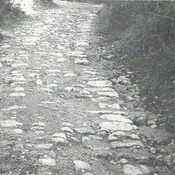
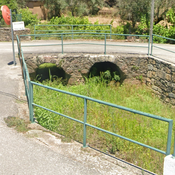
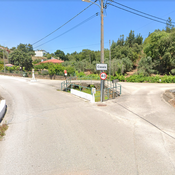
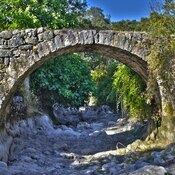
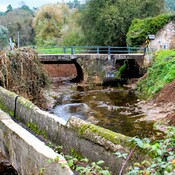
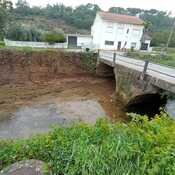
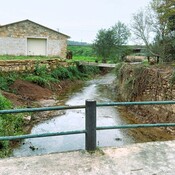
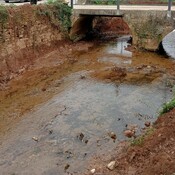
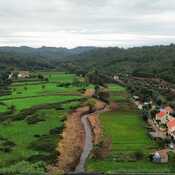
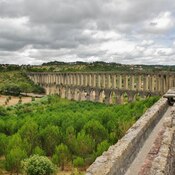
Paved roadWalled path towards the riverWall path in direction to the river NabãoLoom weightPonte do AlgarãoPonte do Casal de BaixoPonte do Casal VelhoPonte Romana da PóvoaBridge over ribeira da SoiandaPanoramic viewCastro de Cera? Western defensive wallCalçada da SoiandaPonte de Vale da FigueiraPonte de São SimãoPonte de Vale FigueiraPonte de Vale da FigueiraCasais bridgeCasais bridgePonte Romana na QuebradaPonte de CerasCeras bridgeCeras' bridgeCeras BridgeCeras water streamCarregueiros bridgeRibeiro Perro' s abandoned bridgeMedieval bridge Ponte de Peniche, TomarTombstones found in Rio de Couros old church siteRio de Pias (Pias small creek) bridgeAqueduto dos Pegões - Tomar

Localisation:

  • Portugal, Vale do Poço
  • geo:39.682957,-8.432897
  • Précision ± 0-5 m.

Period or year:

  • -300x? / unknown

Classification:

  • Tombeau ou tombes
  • Invisible

Identificateurs:

  • vici:place=96031

Annotations

Il n'y a pas une annotation en français. Présenté est une annotation en Anglais.

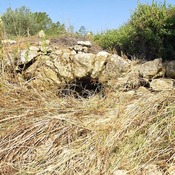
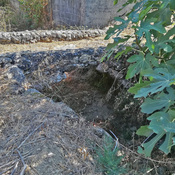
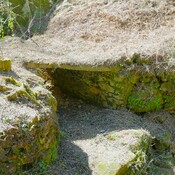
Initially, a Chalcolithic / Initial Bronze for burials, given its finding in association with ceramics fairing and bronze materials, namely an ax and copper hook.

However, subsequent dating revealed that one of the burials is from the Roman period, although Little more is done regarding dating (ZILHÃO, 1997).

It is possible that this specific burial is associated with iron nails and ceramic construction that were found in the upturned layer.

Initially, a Chalcolithic / Initial Bronze for burials, given its finding in association with ceramics fairing and bronze materials, namely an ax and copper hook.

However, subsequent dating revealed that one of the burials is from the Roman period, although Little more is done regarding dating (ZILHÃO, 1997).

It is possible that this specific burial is associated with iron nails and ceramic construction that were found in the upturned layer.


À proximité

Agroal

Agroal Roman Farm

Porto Velho ("old ford") (2 km)

Porto Velho ("old ford")

Castelo do Porto Velho (2 km)

Settlement with two lines of walls, probably from the Iron Age, and later romanized