
Vici.org

Umgebung:

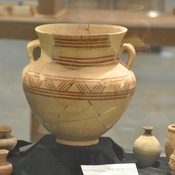
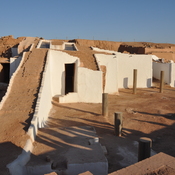
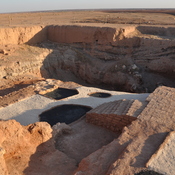
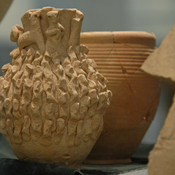
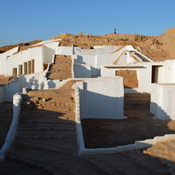
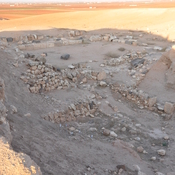
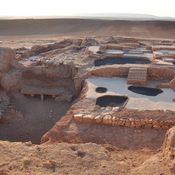
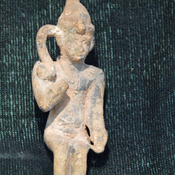
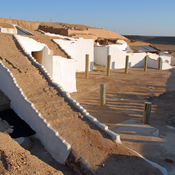
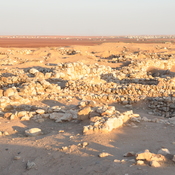
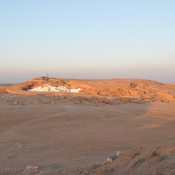
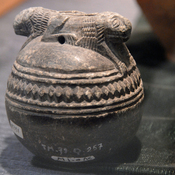
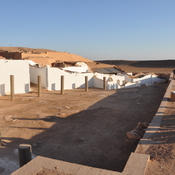
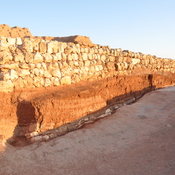
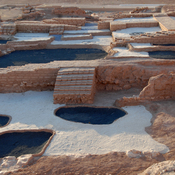
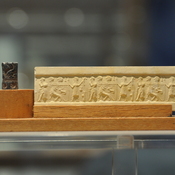
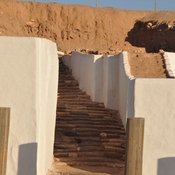
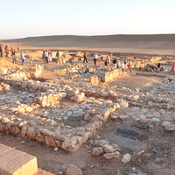
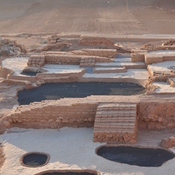
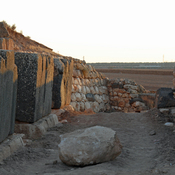
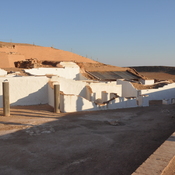
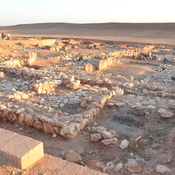
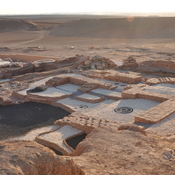
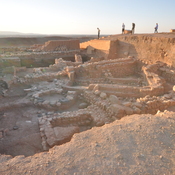
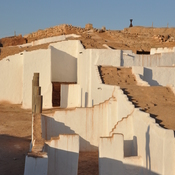
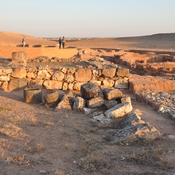
Ebla, Remains of Amorite GateEbla, Remains of a kitchenEbla, Tablet with cuneiformEbla, Remains of throneroomRemains of EblaEbla, Remains of a kitchenRemains of EblaEbla, Tablet with cuneiformEbla, Remains of throneroomRemains of EblaEbla, Tablet with cuneiformRemains of EblaEbla, Remains of throneroomRemains of EblaEbla, Amorite stratumRemains of EblaEbla, Remains of throneroomRemains of EblaEbla, Amorite stratumRemains of EblaEbla, Remains of throneroom with stairsRemains of EblaEbla, Remains of wooden carvings from furnitureEbla, sites and buildings.Ebla, Amorite stratumRemains of EblaRemains of EblaEbla, Jug from theroyal  palace GEbla, Fotograph of archive with tablets at placeRemains of Ebla

Lage:

  • Syrien, Mardīkh
  • geo:35.800205,36.797932
  • Lage ± 0-5 m.

Period or year:

  • -2000~ / unknown

Klassification:

  • Gebäude
  • Sichtbar

Identifiers:

  • vici:place=29288

Anmerkungen

Es gibt noch keine deutschsprachige Anmerkungen. Präsentiert wirden Anmerkungen auf English.

Archaic Place P5 was built in the early second millenium BC -Ebla IIIA [Third Eblaite, first phase c. 2000 BC–c. 1800 BC].

Sources:

  1. Paolo Matthiae, Ebla and the early urbanization of Syria in: Joan Aruz, Ronald Wallenfels eds., Art of the First Cities: The Third Millennium B.C. from the Mediterranean to the Indus, New Metropolitan Museum of Art, 2003, p. 165nn
  2. http://www.ebla.it/escavi__il_palazzo_reale_g.html-Old Syrian Palaces
  3. Peter M. M. G. Akkermans, Glenn M. Schwartz, The Archaeology of Syria: From Complex Hunter-Gatherers to Early Urban Societies (c.16,000-300 BC), Cambridge University Press, 2003, p.295 nnAstour, Michael C. (2002). "A Reconstruction of the History of Ebla (Part 2)". In Gordon, Cyrus Herzl; Rendsburg, Gary. Eblaitica: Essays on the Ebla Archives and Eblaite Language. 4. Eisenbrauns, p. 164

Archaic Place P5 was built in the early second millenium BC -Ebla IIIA [Third Eblaite, first phase c. 2000 BC–c. 1800 BC].

Sources:

  1. Paolo Matthiae, Ebla and the early urbanization of Syria in: Joan Aruz, Ronald Wallenfels eds., Art of the First Cities: The Third Millennium B.C. from the Mediterranean to the Indus, New Metropolitan Museum of Art, 2003, p. 165nn
  2. http://www.ebla.it/escavi__il_palazzo_reale_g.html-Old Syrian Palaces
  3. Peter M. M. G. Akkermans, Glenn M. Schwartz, The Archaeology of Syria: From Complex Hunter-Gatherers to Early Urban Societies (c.16,000-300 BC), Cambridge University Press, 2003, p.295 nnAstour, Michael C. (2002). "A Reconstruction of the History of Ebla (Part 2)". In Gordon, Cyrus Herzl; Rendsburg, Gary. Eblaitica: Essays on the Ebla Archives and Eblaite Language. 4. Eisenbrauns, p. 164


Relevante Museen

Aleppo, National Museum

Large collection of Bronze Age (a/o Ebla, Mari, Ugarit), Iron Age (Arslan Tash), Hellenistic, and Roman finds.


In der Nähe

Ebla Lion Terrace

Tell Mardikh