
Vici.org
Er zijn nog geen afbeeldingen met betrekking tot deze plaats toegevoegd.
Afbeelding toevoegen.

Omgeving:

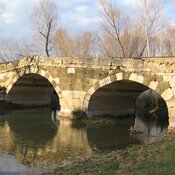
Roman Bridge

Locatie:

  • Turkije, Bağlıca
  • geo:39.606113,35.261208
  • Locatie ± 5-25 m.

Period or year:

  • -4000~ / -500~

Classificatie:

  • Stad
  • Zichtbaar

Identifiers:

  • vici:place=10865

Annotaties

Er zijn nog geen Nederlandstalige annotaties. Hier volgen annotaties in het Engels.

Alishar Hüyük was occupied from the Chalcolithic Period, through the Bronze Age and the Hittites, and into Phrygian times. In the 12th century BC, the mound was the site of a Phrygian fortress,

See:

  1. W. M. Krogman, H. H. Von der Osten,The Alishar Hüyük Seasons of 1930-1932, Part III ... Researches in Anatolia IX - https://oi.uchicago.edu/sites/oi.uchicago.edu/files/uploads/shared/docs/oip30.pdf
  2. Ronald L. Gorny, Hittite Imperialism and Anti-Imperial Resistance As Viewed from Alișar Höyük - Bulletin of the American Schools of Oriental Research No. 299/300, The Archaeology of Empire in Ancient Anatolia (Aug. - Nov., 1995), pp. 65-89-http://www.jstor.org/stable/1357346?seq=4
  3. Ankuwa, in: Bryce T., The Routledge Handbook of the Peoples and Places of Ancient Western Asia, Routledge 2013, p. 45-46.
  4. Maciej Popko: Zippalanda and Ankuwa once more. Journal of the American Oriental Society 120/3, 2000, p. 445-448.
  5. Ankuwa in: Gojko Barjamovic, A Historical Geography of Anatolia in the Old Assyrian Colony Period, Museum Tusculanum Press, 2011, p.312nn
  6. Baptiste Vergnaud, A Phrygian Identity in Fortifications?, in: Soma 2012, Identity and Connectivity Proceedings of the 16th Symposium on Mediterranean Archaeology, Florence, Italy, 1–3 March 2012, BAR international series, 2581., Oxford, Archaeopress, 2013, p. 233-241
  7. Hans Henning von der Osten, The Alishar Hüyük Seasons of 1930-1932 , Part III, The University of Chicago Press, 1937

Alishar Hüyük was occupied from the Chalcolithic Period, through the Bronze Age and the Hittites, and into Phrygian times. In the 12th century BC, the mound was the site of a Phrygian fortress,

See:

  1. W. M. Krogman, H. H. Von der Osten,The Alishar Hüyük Seasons of 1930-1932, Part III ... Researches in Anatolia IX - https://oi.uchicago.edu/sites/oi.uchicago.edu/files/uploads/shared/docs/oip30.pdf
  2. Ronald L. Gorny, Hittite Imperialism and Anti-Imperial Resistance As Viewed from Alișar Höyük - Bulletin of the American Schools of Oriental Research No. 299/300, The Archaeology of Empire in Ancient Anatolia (Aug. - Nov., 1995), pp. 65-89-http://www.jstor.org/stable/1357346?seq=4
  3. Ankuwa, in: Bryce T., The Routledge Handbook of the Peoples and Places of Ancient Western Asia, Routledge 2013, p. 45-46.
  4. Maciej Popko: Zippalanda and Ankuwa once more. Journal of the American Oriental Society 120/3, 2000, p. 445-448.
  5. Ankuwa in: Gojko Barjamovic, A Historical Geography of Anatolia in the Old Assyrian Colony Period, Museum Tusculanum Press, 2011, p.312nn
  6. Baptiste Vergnaud, A Phrygian Identity in Fortifications?, in: Soma 2012, Identity and Connectivity Proceedings of the 16th Symposium on Mediterranean Archaeology, Florence, Italy, 1–3 March 2012, BAR international series, 2581., Oxford, Archaeopress, 2013, p. 233-241
  7. Hans Henning von der Osten, The Alishar Hüyük Seasons of 1930-1932 , Part III, The University of Chicago Press, 1937

In de buurt

Alishar Hüyük

Alishar Hüyük was occupied beginning in the Chalcolithic Period, through the Bronze Age and the Hittites, and into Phrygian times.

Alisar Church (2 km)

Alişar Kilisesi. Sorgun. Early Byzantine church.

Roman Bridge (8 km)

Roman Bridge


Dit object is toegevoegd door René Voorburg op 2012-12-15. Laatst bewerkt door Elżbieta op 2018-12-17. Persistent URI: http://vici.org/vici/10865 . Download als RDF/XML, KML.
Annotatie beschikbaar onder de Creative Commons Naamsvermelding-GelijkDelen 3.0 Unported-licentie. Metadata beschikbaar onder de Creative Commons Publiek Domein Verklaring, tenzij expliciet anders aangegeven.

Vici.org partners:

Livius.org: articles on ancient history   Rijksmuseum van Oudheden