Vici.org

Omgeving:

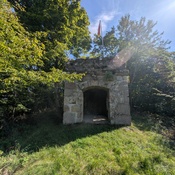
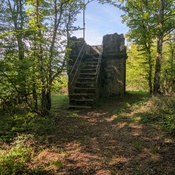
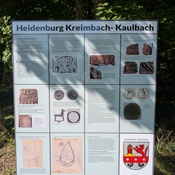
Heidenburg_Kreimbach_1Heidenburg_Kreimbach_2Heidenburg_Kreimbach_3VillaRusticaJettenbachVilla_Rustica_(Hefersweiler)_OrthophotoVilla_Rustica_(Hefersweiler)_Info_BoardVilla Rustica (Hefersweiler)Villa_Rustica_(Hefersweiler)_StoneRömische Säule Cronenberg bei LautereckenWeinrankenpilasterfragment_(Ginsweiler)360_surrounding_of_relief_bosenbachBrustreliefWolfskircheBosenbach

Locatie:

  • Duitsland, Wolfstein
  • geo:49.58416,7.606227
  • Locatie exact

Period or year:

  • 2xx? / unknown

Classificatie:

  • Votiefsteen of reliëf
  • Zichtbaar

Identifiers:

  • vici:place=101637

Annotaties

Er zijn nog geen Nederlandstalige annotaties. Hier volgen annotaties in het Engels.

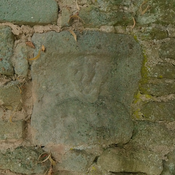
Extremely withered stoneblock original inluded into a wall at Reckweilerhof 13. The stone was transferred into the center (Crossing of Am Ring and the Mainstreet) of Wolfstein for public display in 2006 by its mayor, and is now used as a flowerpot.

Motive: Withered display of two persons, probably husband and wife. Original description of the side mentions a flute-playing person, probably Pan. 62cm x 61cm x 69cm, local sandstone often found in the area.
German newspaper article suggest that it could have been part of a grave, which was found between Aschbach and Reckweilerhof. The article is connecting the stone to an inscription found near that grave (Depot of the historical museum of the Palatinate, Speyer; Inv.Nr.: 2166 and CIL 13, 06176 a.) which reads:

[---]IAINONIS [---]     
[---]a et Caran[---]-     
[---]OM E T I V S[---]     
[--- s]ibi {I} viv(u)s et c[oniugi? ---]     
[--- h(eres)?] f(aciendum) c(uravit)

Maybe the two displayed persons were Ainonisa and Caranometius. This suggestion is not backed up either size or material used for the block, which is different from the inscription.

See:

Extremely withered stoneblock original inluded into a wall at Reckweilerhof 13. The stone was transferred into the center (Crossing of Am Ring and the Mainstreet) of Wolfstein for public display in 2006 by its mayor, and is now used as a flowerpot.

Motive: Withered display of two persons, probably husband and wife. Original description of the side mentions a flute-playing person, probably Pan. 62cm x 61cm x 69cm, local sandstone often found in the area.
German newspaper article suggest that it could have been part of a grave, which was found between Aschbach and Reckweilerhof. The article is connecting the stone to an inscription found near that grave (Depot of the historical museum of the Palatinate, Speyer; Inv.Nr.: 2166 and CIL 13, 06176 a.) which reads:

[---]IAINONIS [---]     
[---]a et Caran[---]-     
[---]OM E T I V S[---]     
[--- s]ibi {I} viv(u)s et c[oniugi? ---]     
[--- h(eres)?] f(aciendum) c(uravit)

Maybe the two displayed persons were Ainonisa and Caranometius. This suggestion is not backed up either size or material used for the block, which is different from the inscription.

See:


In de buurt

Zweikirche (Rutsweiler) (1 km)

Suspected building.

Fliehburg Heidenburg (3 km)

Fliehburg Heidenburg

Villa Rustica (Rothselberg) (3 km)

Villa Rustica (Rothselberg)


Dit object is toegevoegd door sdfsdgf op 2025-08-10. Laatst bewerkt door sdfsdgf op 2025-08-10. Persistent URI: http://vici.org/vici/101637 . Download als RDF/XML, KML.
Annotatie beschikbaar onder de Creative Commons Naamsvermelding-GelijkDelen 3.0 Unported-licentie. Metadata beschikbaar onder de Creative Commons Publiek Domein Verklaring, tenzij expliciet anders aangegeven.

Vici.org partners:

Livius.org: articles on ancient history   Rijksmuseum van Oudheden