Er zijn nog geen Nederlandstalige annotaties. Hier volgen annotaties in het Engels.
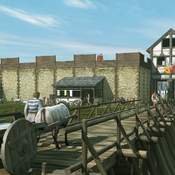
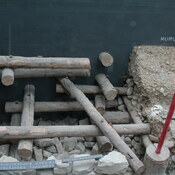
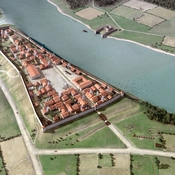
Southeast of the since the middle of the 1st century BC. fortified Münsterhügel plateau already established itself in the last decades before the turn of time a Gallo-Roman settlement, also called vicus. To the half-timbered houses made of wood and clay with wooden shingle roofs, later partly also with brick foundation base and tiled roofing, also belonged mines and cellars lined with dry stone walls. The houses lined the overland road leading along here.
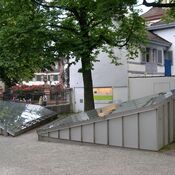
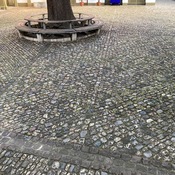
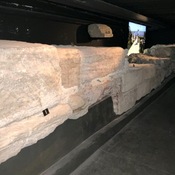
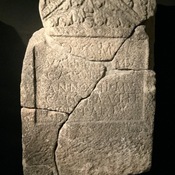
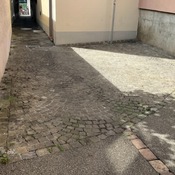
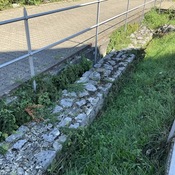
In the underground connecting passage of the two existing classicist city palaces, which today houses the Antikenmuseum, two masonry basement shafts of this Roman-era building were preserved on site in 1983/84 and integrated into the museum concept. In the course of the entire basement cellar of the court area, other important findings, such as an antique street route, building footprints and pits have been documented.
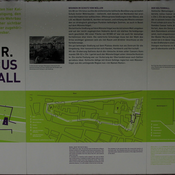
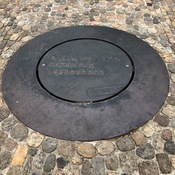
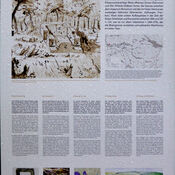
Information boards as well as a fund-showcase explain the archaeological findings and finds of the vicus.
Source: https://www.archaeologie.bs.ch/vermitteln/info-stellen/st-alban-graben-5-7.html
Southeast of the since the middle of the 1st century BC. fortified Münsterhügel plateau already established itself in the last decades before the turn of time a Gallo-Roman settlement, also called vicus. To the half-timbered houses made of wood and clay with wooden shingle roofs, later partly also with brick foundation base and tiled roofing, also belonged mines and cellars lined with dry stone walls. The houses lined the overland road leading along here.
In the underground connecting passage of the two existing classicist city palaces, which today houses the Antikenmuseum, two masonry basement shafts of this Roman-era building were preserved on site in 1983/84 and integrated into the museum concept. In the course of the entire basement cellar of the court area, other important findings, such as an antique street route, building footprints and pits have been documented.
Information boards as well as a fund-showcase explain the archaeological findings and finds of the vicus.
Source: https://www.archaeologie.bs.ch/vermitteln/info-stellen/st-alban-graben-5-7.html