
Vici.org

Umgebung:

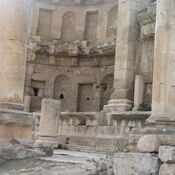
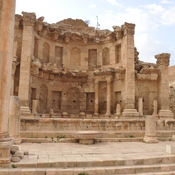
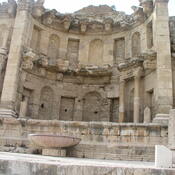
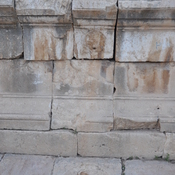
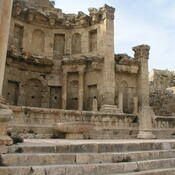
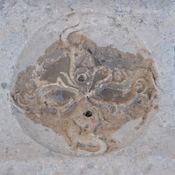
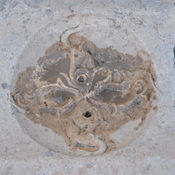
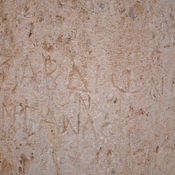
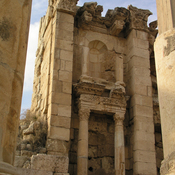
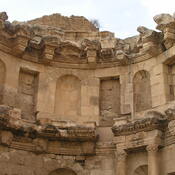
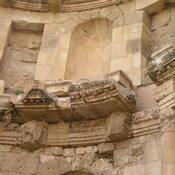
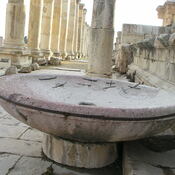
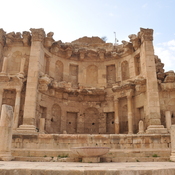
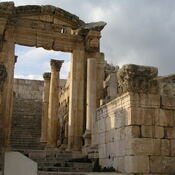
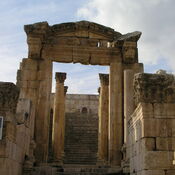
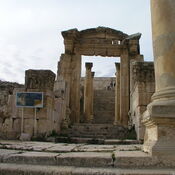
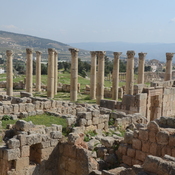
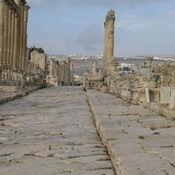
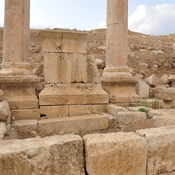
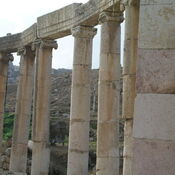
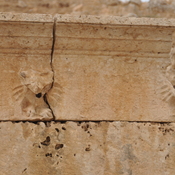
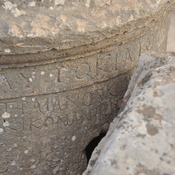
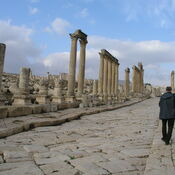
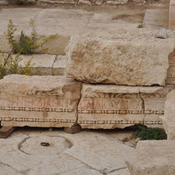
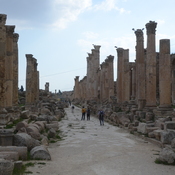
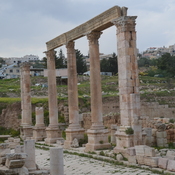
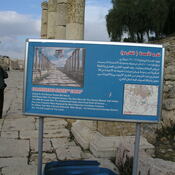
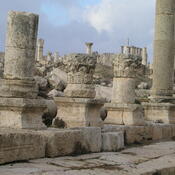
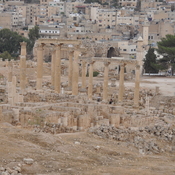
Nympheum of GerasaGerasa,  NymphaeumNympheum of GerasaGerasa,  Nymphaeum, DetailNympheum of GerasaGerasa,  Nymphaeum, Decoration, demons headGerasa,  Nymphaeum, Decoration, demons headGerasa,  Nymphaeum,  GraffitoGerasa,  Nymphaeum,  GraffitoGadara of GerasaNympheum of GerasaNympheum of GerasaNympheum of GerasaGerasa,  NymphaeumCathedra of GerasaEntrance to the churchCathedra of GerasaGerasa,  Remains of the Saint Theodore churchCardo in GerasaGerasa, Roman north-south mainstreet (cardo), FountainCardo in GerasaGerasa, Roman north-south mainstreet (cardo), FountainGerasa, Roman north-south mainstreet (cardo), Greek inscriptionRemains in the Greco-Roman streetGerasa, Roman north-south mainstreet (cardo), Frieze with Greek inscription near wesern bathsGerasa, Roman north-south mainstreet (cardo), ColonnadeGerasa, Roman north-south mainstreet (cardo), ColonnadeCardo in GerasaColumns on the cardo in GerasaGerasa, Roman north-south mainstreet (cardo)

Lage:

  • Jordanien, Jarash
  • geo:32.280579,35.891609
  • Genaue Lage

Period or year:

  • 425~ / unknown

Klassification:

  • Heiligtum
  • Sichtbar

Identifiers:

  • vici:place=24688

Anmerkungen

Es gibt noch keine deutschsprachige Anmerkungen. Präsentiert wirden Anmerkungen auf English.

The temple of Dionysius of the first century had probably been abandoned in the third century when thesite was used as a place foor smelting bronze. The remains of the templewere removed to the level of its podium shortly before construction on the new building of Cathedral began and its architectural elements, such as columns, was reused as material for the masonry of the church.

See:

  1. Iain Browning, Jerash and the Decapolis. 1982, pp. diff.
  2. J. W. Crowfoot, “The Buildings Round the Fountain Court,” in Gerasa: City of the Decapolis ,ed. Carl H. Kraeling, New Haven: American Schools of Oriental Research, 1938, pp. 201–214
  3. Jason Moralee, The Stones of St. Theodore: Disfiguring the Pagan Past in Christian Gerasa, Journal of Early Christian Studies vol. 14/2, 2006, pp. 183-215 - https://www.academia.edu/891767/The_Stones_of_St_Theodore_Disfiguring_the_Pagan_Past_in_Christian_Gerasa

The temple of Dionysius of the first century had probably been abandoned in the third century when thesite was used as a place foor smelting bronze. The remains of the templewere removed to the level of its podium shortly before construction on the new building of Cathedral began and its architectural elements, such as columns, was reused as material for the masonry of the church.

See:

  1. Iain Browning, Jerash and the Decapolis. 1982, pp. diff.
  2. J. W. Crowfoot, “The Buildings Round the Fountain Court,” in Gerasa: City of the Decapolis ,ed. Carl H. Kraeling, New Haven: American Schools of Oriental Research, 1938, pp. 201–214
  3. Jason Moralee, The Stones of St. Theodore: Disfiguring the Pagan Past in Christian Gerasa, Journal of Early Christian Studies vol. 14/2, 2006, pp. 183-215 - https://www.academia.edu/891767/The_Stones_of_St_Theodore_Disfiguring_the_Pagan_Past_in_Christian_Gerasa

Relevante Museen

Archeologisch museum van Amman

Het oude archeologische museum van Jordanië.

Amman, Jordan Museum

The new historical museum of Jordan; substantial archaeological collection.


In der Nähe

Nymphaeum, Gerasa

Nymphaeum, Gerasa

Gerasa (Jerash)

Modern reconstruction of the method of extraction and processing of stones used in the construction of the city of Jerash.

Gerasa (Jerash) - Church of Saint Theodore

The oldest church in the city. Later cathedra of Gerasa.