
Vici.org

Les environs:

Baths on the State AgoraEphesus, Roman FountainBouleuterion, EphesusBouleuterion, EphesusOdeon in EphesosBouleuterion Inscriptions, EphesusIsis Temple, EphesusIsis Temple, EphesusEphesus, Roma and Augustus TempleEphesus, Roma and Augustus TempleEphesus, C. Sextilius Pollio MonumentEast Gymnasium, EphesusStatue of HermerosAltarAltarTemple of Domitian, EphesusEphesus, Memmius MonumentEphesus, Memmius MonumentEphesus, Hercules GateTraian Fountain, EphesusNymphaeum TraianiTraian Fountain, EphesusEphesus, Street of the CuretesEphesus, Street of the CuretesEfeso Tempio AdrianoCuretes FriezeTemple of Hadrian, EphesusTerrace Houses, EphesusTerrace Houses, EphesusTerrace Houses, Ephesus

Localisation:

  • Turquie, Selçuk
  • geo:37.934734,27.346371
  • Précision ± 0-5 m.

Period or year:

  • 3xx / unknown

Classification:

  • Sanctuaire
  • Visible

Identificateurs:

  • vici:place=24219

Annotations

Il n'y a pas une annotation en français. Présenté est une annotation en Anglais.

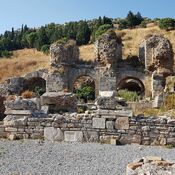
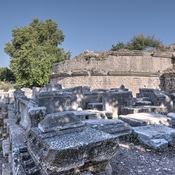
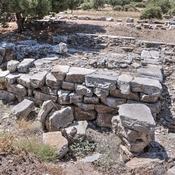
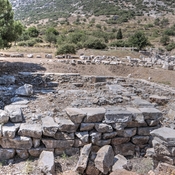
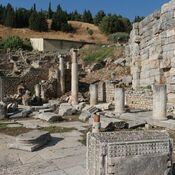
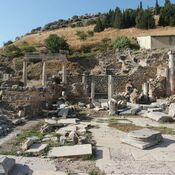
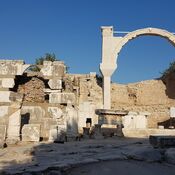
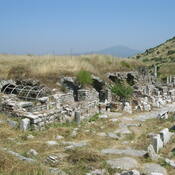
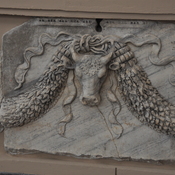
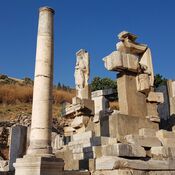
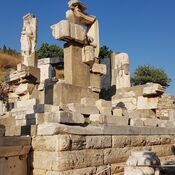
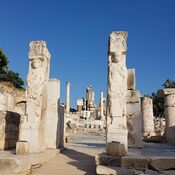
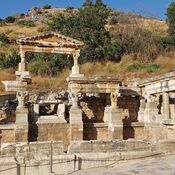
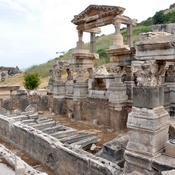
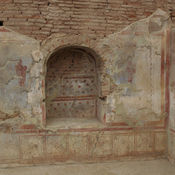
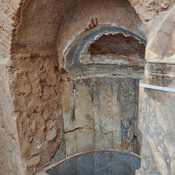
This circular monument located East of the State Agora was first excavated in 1865 by John T. Wood (1821-1890). Originally built as a fountain in the IInd century AD. In the IVth or Vth century the building was adapted to a church, It was labeled  the tomb of St Luke due to the fact that the southern entrance into the crypt was flanked by two pilasters showing oxen and crosses. Graves in the church crypt support the hypothesis of this being a memorial church to house the relics of a famous saint1.

Sources:

  1. Andreas Pülz, Das sog. Lukasgrab in Ephesos. Eine Fallstudie zur Adaption antiker Monumente in byzantinischer Zeit , Forschungen in Ephesos, Band: IV/4, 2014
  2. John Turtle Wood, Discoveries at Ephesus, CUP, Cambridge 2014, p. 56 ff

Références

  1. John Turtle Wood, Discoveries at Ephesus, CUP, Cambridge 2014, p. 56 ff

This circular monument located East of the State Agora was first excavated in 1865 by John T. Wood (1821-1890). Originally built as a fountain in the IInd century AD. In the IVth or Vth century the building was adapted to a church, It was labeled  the tomb of St Luke due to the fact that the southern entrance into the crypt was flanked by two pilasters showing oxen and crosses. Graves in the church crypt support the hypothesis of this being a memorial church to house the relics of a famous saint1.

Sources:

  1. Andreas Pülz, Das sog. Lukasgrab in Ephesos. Eine Fallstudie zur Adaption antiker Monumente in byzantinischer Zeit , Forschungen in Ephesos, Band: IV/4, 2014
  2. John Turtle Wood, Discoveries at Ephesus, CUP, Cambridge 2014, p. 56 ff

Références

  1. John Turtle Wood, Discoveries at Ephesus, CUP, Cambridge 2014, p. 56 ff


À proximité

Ephesus, Roman Fountain

Ephesos. Monumental foutqain

State Agora, Ephesus

Upper Agora of Ephesos