Vici.org

Les environs:

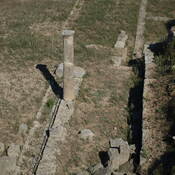
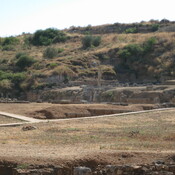
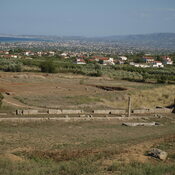
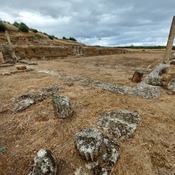
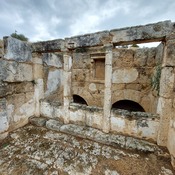
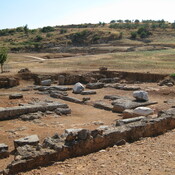
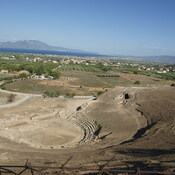
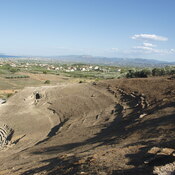
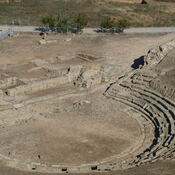
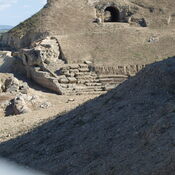
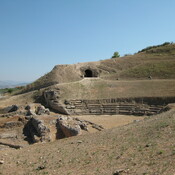
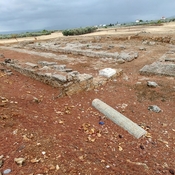
Sikyon, Archaic TempleSikyon, Archaic Templethe roman baths [balaneion]Gymnasium, SikyonSikyon GymnasiumGymnasion in SikyonGymnasium -PalaestraSouth fountainSikyon BouleuterionTheatre SikyonTheatre SikyonTheatre in SikyonTheatre in SikyonTheatre in SikyonTheatre in SikyonSikyon theatre

Localisation:

  • Grèce, Sikyón
  • geo:37.983944,22.713652
  • Précision ± 25-100 m.

Period or year:

  • -800~ / unknown

Classification:

  • Ville
  • Invisible

Annotations

Il n'y a pas une annotation en français. Présenté est une annotation en Anglais.

Pausanias: The Sicyonians, the neighbours of the Corinthians at this part of the border, say about their own land that Aegialeus was its first and aboriginal inhabitant, that the district of the Peloponnesus still called Aegialus was named after him because he reigned over it, and that he founded the city Aegialea on the plain. Their citadel, they say, was where is now their sanctuary of Athena; further, that Aegialeus begat Europs, Europs Telchis, and Telchis Apis1.

See:

  1. Pausanias:Description of Greece  II.5.6-II.8.1
  2. Audrey Griffin: Sikyon. Clarendon Press, Oxford 1982
  3. https://www.ascsa.edu.gr/uploads/media/Sikyon_Sample.pdf 

Références

  1. Pausanias, II.5,6

Pausanias: The Sicyonians, the neighbours of the Corinthians at this part of the border, say about their own land that Aegialeus was its first and aboriginal inhabitant, that the district of the Peloponnesus still called Aegialus was named after him because he reigned over it, and that he founded the city Aegialea on the plain. Their citadel, they say, was where is now their sanctuary of Athena; further, that Aegialeus begat Europs, Europs Telchis, and Telchis Apis1.

See:

  1. Pausanias:Description of Greece  II.5.6-II.8.1
  2. Audrey Griffin: Sikyon. Clarendon Press, Oxford 1982
  3. https://www.ascsa.edu.gr/uploads/media/Sikyon_Sample.pdf 

Références

  1. Pausanias, II.5,6


À proximité

Sikyon, Archaic Temple

Archaic Temple in the Agora of Sikyon.

Sikyon, Stoa III

Stoa near agora.

Sicyon. Greece

Roman baths have been restored to use as museum