
Vici.org

Surroundings:

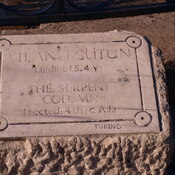
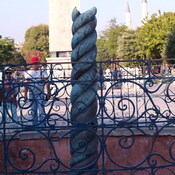
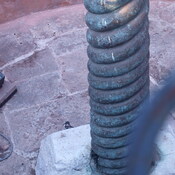
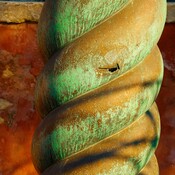
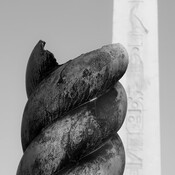
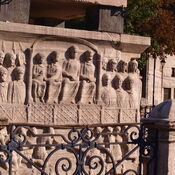
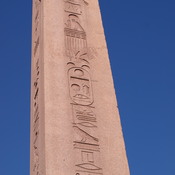
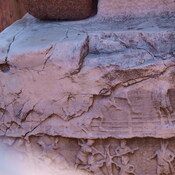
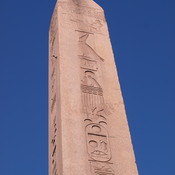
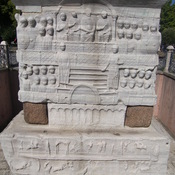
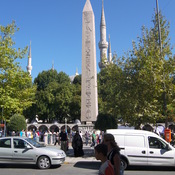
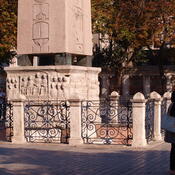
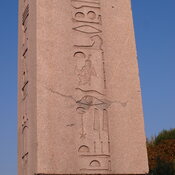
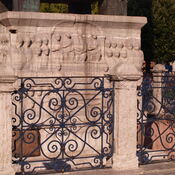
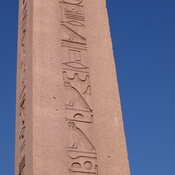
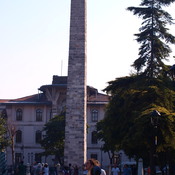
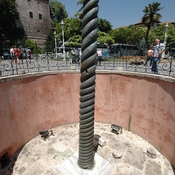
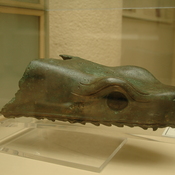
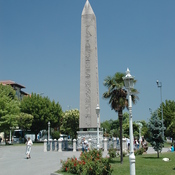
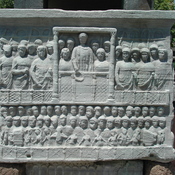
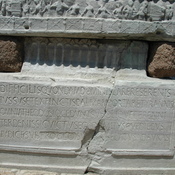
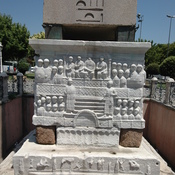
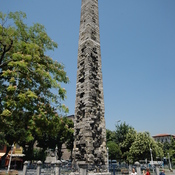
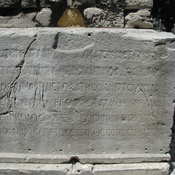
Constantinople, Serpent Column - locationConstantinople, Serpent Column - labelConstantinople, Part of the Serpent ColumnConstantinople, Part of the Serpent ColumnSerpent Column from Delphoi,ConstantinopleSerpent Column from Delphoi, ConstantinopleBase of the Theodosius Obelisk in the HippodromeSouthwest side of Theodosius ObeliskBase of the Theodosius Obelisk in the Hippodrome - detailSouthwest side of Theodosius ObeliskSouthwest side of the Theodosius Obelisk.Obelisk of Theodosius - DikilitaşBase of the Theodosius Obelisk in the HippodromeSouthwest sideBase of the Theodosius Obelisk in the HippodromeSouthwest side of Theodosius ObeliskWalled ObeliskHippodrome Spina Serpents ColumnHippodrome Spina SerpentsHippodrome ConstantinopleHippodrome Spina ObeliskHippodrome Spina Obelisk PedestalHippodrome Spina Obelisk PedestalHippodrome Spina Obelisk PedestalHippodrome Spina Obelisk 2Hippodrome Spina Obelisk 2 InscriptionBucoleon Palace of ConstantinopleBucoleon Palace of ConstantinopleBucoleon Palace of ConstantinopleBucoleon Palace of Constantinople

Location:

  • Türkiye, Istanbul
  • geo:41.004372,28.977287
  • Location ± 5-25 m.

Class:

  • Museum
  • visible

Annotations

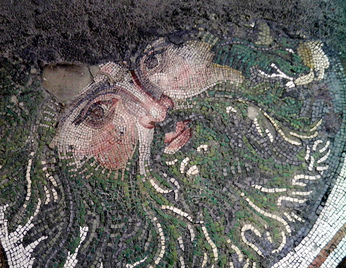
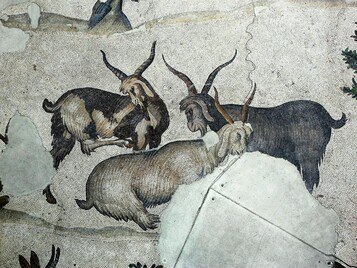
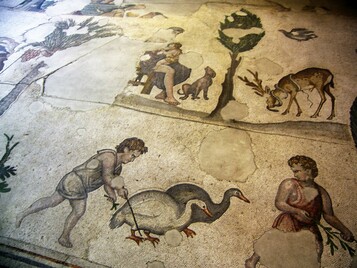
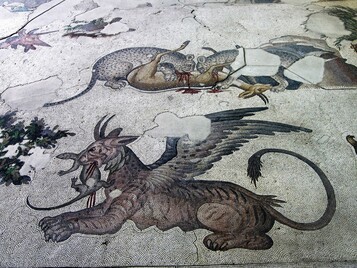
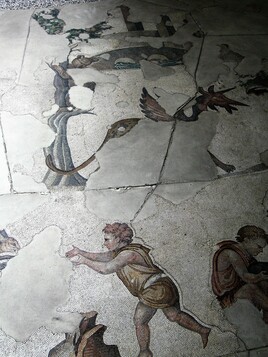
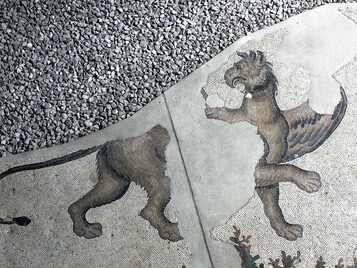
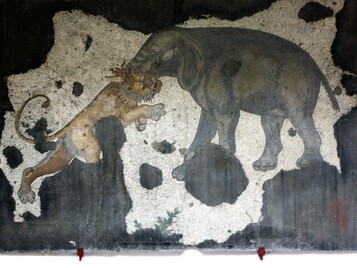
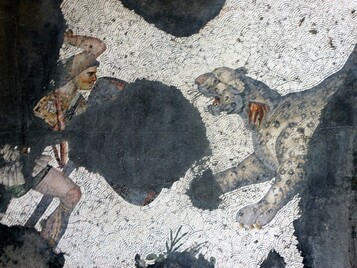
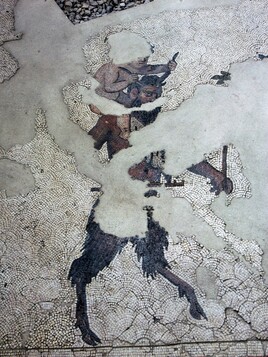
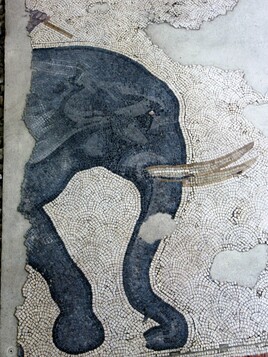
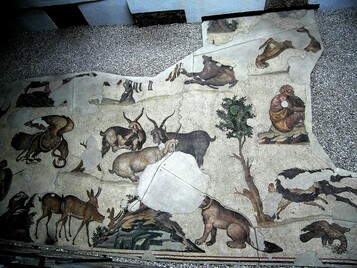
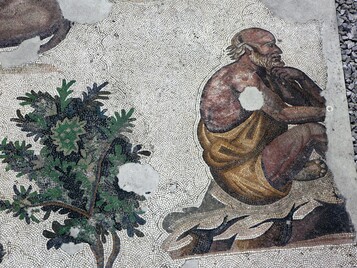
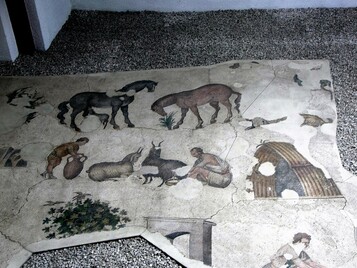
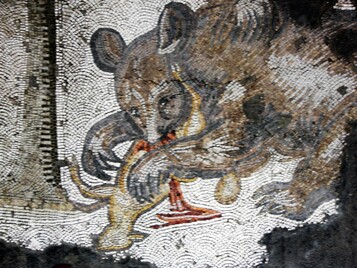
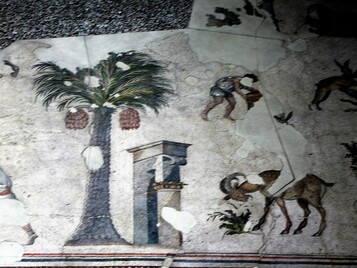
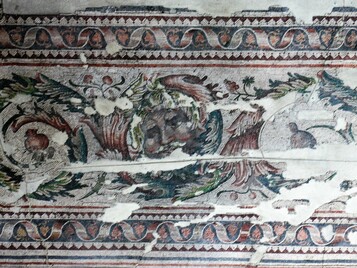
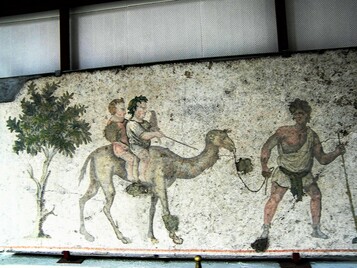
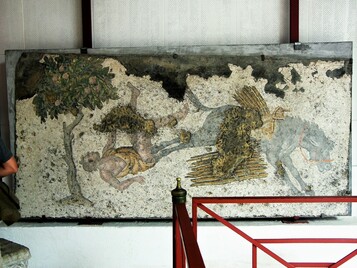
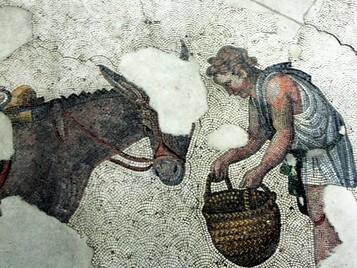
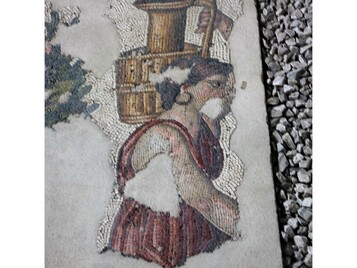
Constantinople Palace Mosaics: collection of early Byzantine mosaics, belonging to imperial palace built by Justinian.

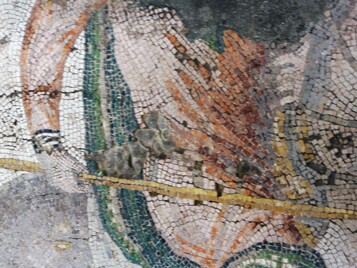
The mosaics unearthed in excavations in the northeastern section of the cloister in Eastern Roman Grand Palace in 1935, are magnificent both in terms of artistic and in terms of the richness of depictions of the scenes. The works exhibited in the Great Palace Mosaics Museum, dated between 450-550 AD do not have religious content. The depictions taken from daily life, nature and mythology probably owe their vitality to the many experts under the leadership of the leading masters of the era.

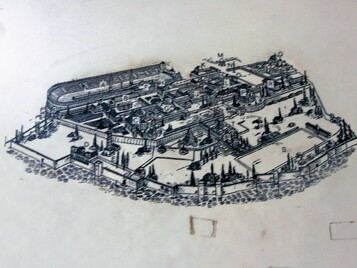
The museum is located inside the Arasta Market in the Blue Mosque Complex, and it was formed to cover the mosaic floor treatment which remained partially preserved in the northeastern part of the colonnaded courtyard of the Great Palace belonging to the Eastern Roman Period. Only 180 square meters of the mosaic area was uncovered.

The Great Palace Mosaics Museum was under the new management of Istanbul Archaeology Museum in 1953. As of 1979, it became a unit of the Hagia Sophia Museum. The restoration and conservation, started in 1982 with the protocol between the General Directorate of Monuments and Museums of the Ministry of Culture and the Austrian Academy of Sciences, was completed in 1997.

Official Website: https://muze.gen.tr/muze-detay/mozaik

In this museum, you can see the mosaics that once graced the floors of the palace of the Byzantine emperors.


Nearby

Byzantium

OmnesViae import TPPlace2082

Nika riots (532 AD)

The Nika riots were the most violent riots in the city's history, with nearly half of Constantinople being burned or destroyed and tens of thousands of people killed.


This object was added by René Voorburg on 2012-12-24. Last update by cem akat on 2020-11-30. Persistent URI: http://vici.org/vici/11533 . Download as RDF/XML, KML.
Annotation available using the Creative Commons Attribution-ShareAlike 3.0 Unported license. Metadata available using the Creative Commons Public Domain Dedication, unless it is explicitly stated otherwise.

Vici.org partners:

Livius.org: articles on ancient history   Rijksmuseum van Oudheden