


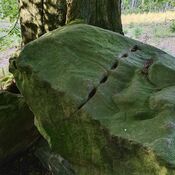
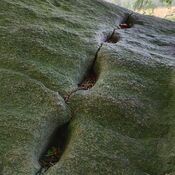
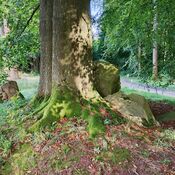
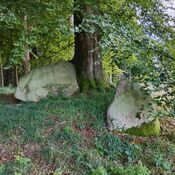
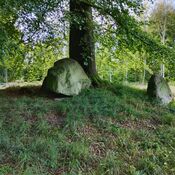
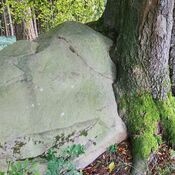
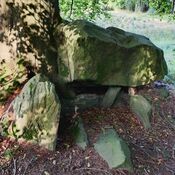
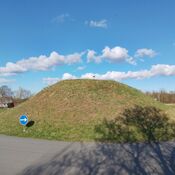
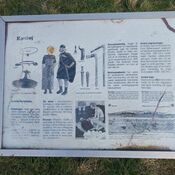
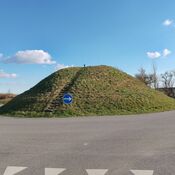
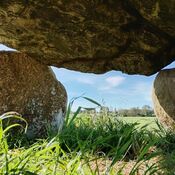
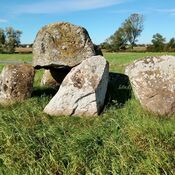
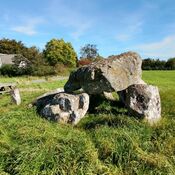
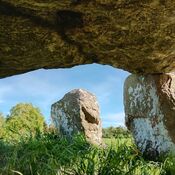
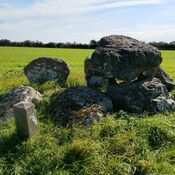
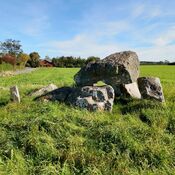
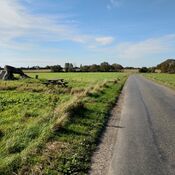
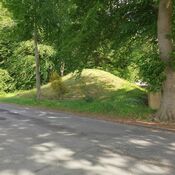
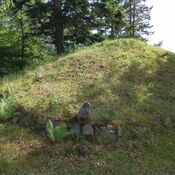
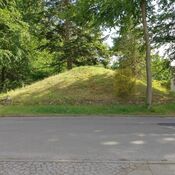
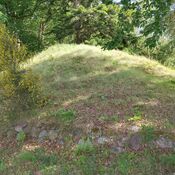
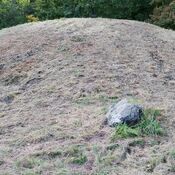
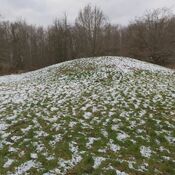
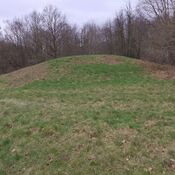
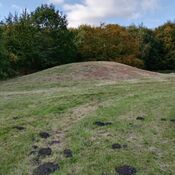
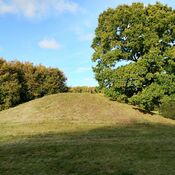
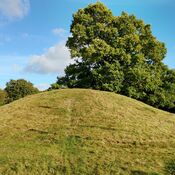
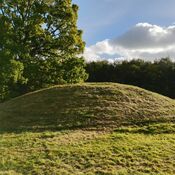
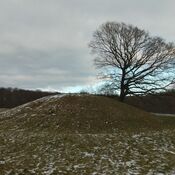

The locality in Folehave Skov is an ancient burial complex dating from 3950 - 500 BC, consisting of several stone-built graves, specifically stone cists. The site has a long and documented history of both degradation and preservation efforts.
Historically, the site has suffered significant damage. Around 1888, at least three stone cists were destroyed during the construction of a railway line, an action initiated by the local forester. A 1918 survey by the National Museum of Denmark documented this destruction, noting that the main cist (designated 2a) was missing its capstone and one of its side stones had collapsed inward.
Administratively, the site transitioned from unprotected to a protected national monument.
It was officially granted protected status ("Fredet") in 1937 or later. This led to increased oversight by the National Museum. In 1942, the landowner, Count Ahlefeldt Laurvig Lehn, expressed a wish to restore the damaged graves, but a 1943 museum inspection concluded there was no basis for a restoration. The site was formally registered ("Tinglysning") in 1947. In the same year, a mapping error was identified and corrected. The site is currently located in Svendborg municipality, with Arkæologi Sydfyn as the responsible museum.
The physical condition of the site has varied over time. By 1983, a survey by the Forest and Nature Agency found the mound containing the graves to be heavily damaged by uprooted trees, which had obscured or erased the remains of monument 2b. The area was also overgrown with dense bramble and young maple trees, making it difficult to find monument 2c. The 1983 report strongly recommended clearing the vegetation to better preserve the site and potentially uncover more graves, as the entire area is covered with stones.
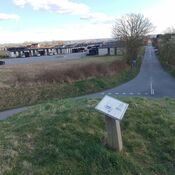
Currently, the site is a place of both historical interest and recreation. The main surviving structure is described as a well-preserved gallery grave located on a ridge. The forest is also a popular area for mountain biking. A 2016 inspection by Museum Odense confirmed that the ancient monument was found "as described". Recent maintenance has included the removal of weeds from in and around the stone cist.
www.youtube.com/watch?v=cZyjkbkjfVM
www.kulturarv.dk/fundogfortidsminder/Lokalitet/8988/